Cognitive overload: when too much information blocks choice
One of the most common paradoxes in retail is thinking that more choice equals better decisions. Neuroscience tells us the opposite: when the brain is exposed to too many options, it enters cognitive overload and often doesn't decide at all.
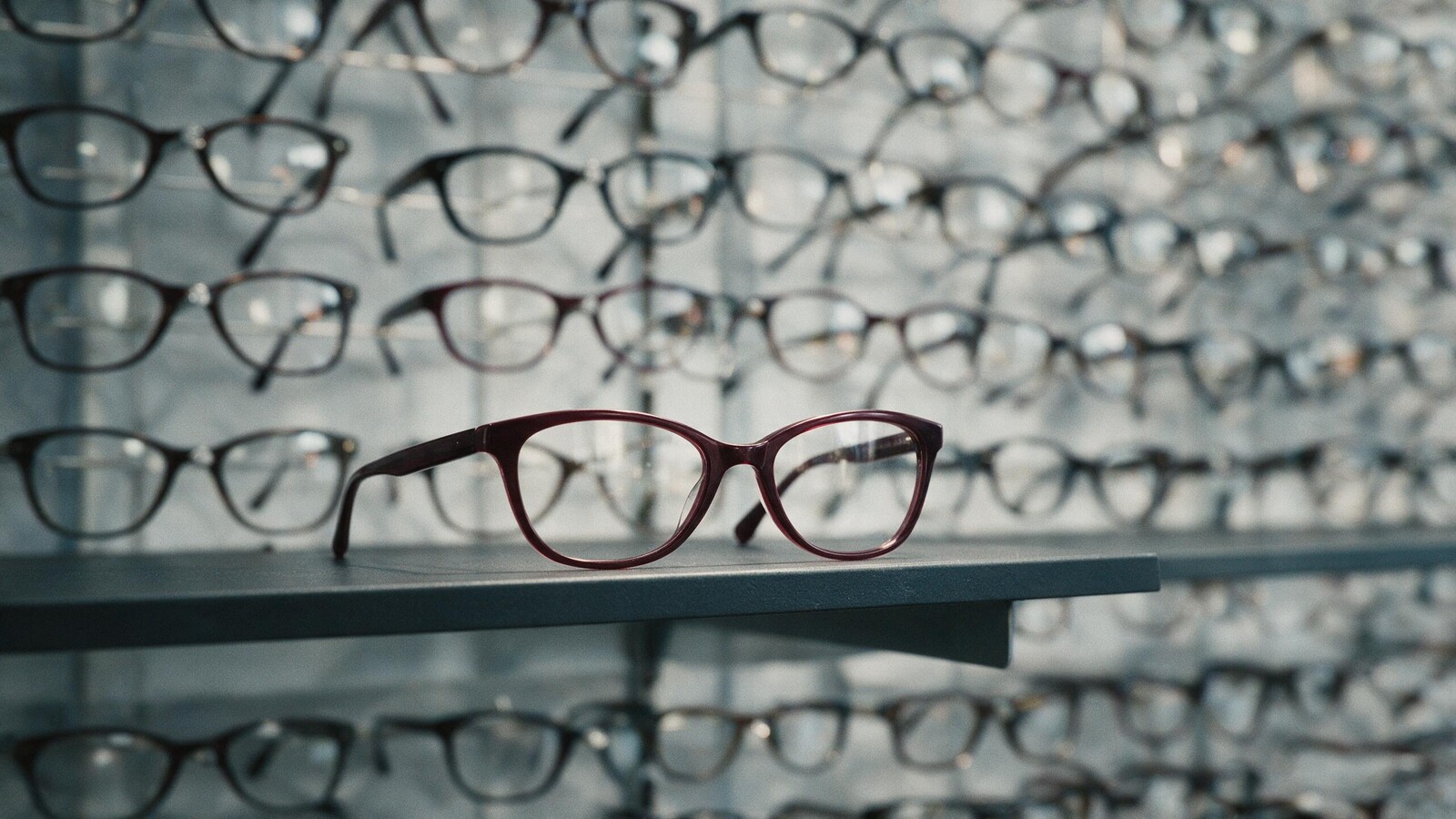
One of the most common paradoxes in retail – and optics is no exception – is thinking that more choice and more explanations equal better decisions. Neuroscience tells us the exact opposite: when the brain is exposed to too many options, too many stimuli, or too much complex information, it enters a stress condition called cognitive overload.
The result is not a more conscious choice, but often no choice at all.
The human brain is designed to save energy. Faced with an excess of possibilities, it reacts by slowing down, postponing, or seeking an escape route. In stores, this translates into phrases like:
- "I need to think about it"
- "I'll come back another day"
- "I need to discuss it at home"
These are not necessarily objections to the product. They are signals of mental fatigue.
What really happens in the customer's mind
When a customer enters an optical center, they are already dealing with several complexities:
- a visual need to understand,
- a financial investment,
- a change in their self-image.
If you add to this:
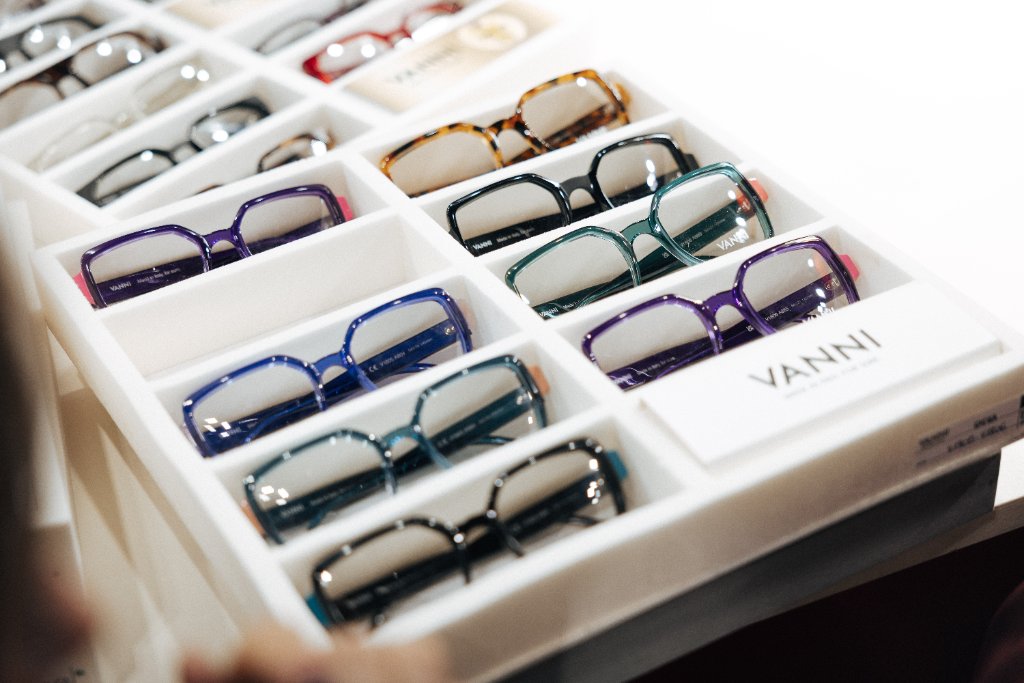
- dozens of similar frames,
- highly technical explanations,
- continuous comparisons between solutions,
the brain goes into protection mode. And when the brain protects itself, it doesn't decide.
Common mistake in the store
A frequent mistake is wanting to demonstrate competence by showing "everything".
All the inventory, all the possibilities, all the variants. With the best intentions, you end up transferring to the customer a responsibility they're not ready to take: choosing alone in a complex context.
From a neuroscientific perspective, this increases anxiety and reduces the perception of guidance and security.
Practical guidelines for opticians
1. Reduce options before showing them
Selection is an act of value, not a limitation.
Choose yourself, based on what you've heard, 3–5 frames consistent with the person, not 15.
The brain loves clear boundaries: fewer options, more peace of mind.
2. Build a path, not a list
Avoid presenting solutions as disconnected alternatives.
Instead, tell a story:
- "Let's start with this basic solution…"
- "This is an evolution, designed for…"
- "This is the most complete for those who want…"
You're helping the brain orient itself, not compare chaotically.
3. Translate, don't complicate
Every technical term you use should have a simple and immediate translation.
Not: "1.67 index with advanced multi-layer anti-reflective coating"
But: "a thinner and lighter lens that makes the glasses more harmonious on your face and less tiring".
Competence is not measured by the complexity of language, but by the ability to make it understandable.
4. One decision at a time
The brain works better when facing one choice at a time.
Avoid talking simultaneously about:
- frame,
- lens,
- price,
- timing,
- options.
Guide the customer step by step, mentally closing one decision before moving to the next.
Why simplicity increases sales
A simple path doesn't make the customer feel less informed, but more protected. When the brain perceives order and guidance, it lowers its defenses and opens up to decision-making.
Simplifying doesn't mean trivializing. It means respecting the natural functioning of the human brain and putting your professionalism at the service of clarity.
In the next article, we'll explore another crucial element: the role of context – environment, lighting, language, behavior – and why often "how" we sell matters more than "what" we sell.
If this theme concerns a decision for your optical practice or a company project, the first step is a call: we start from your context.
Book a call