Emotion-driven decisions: customers decide with their gut first, then with their head
Neuroscience teaches us that people feel emotions first and rationalize later. In the world of optics, this mechanism is amplified: glasses influence one's self-image and how one feels being looked at.
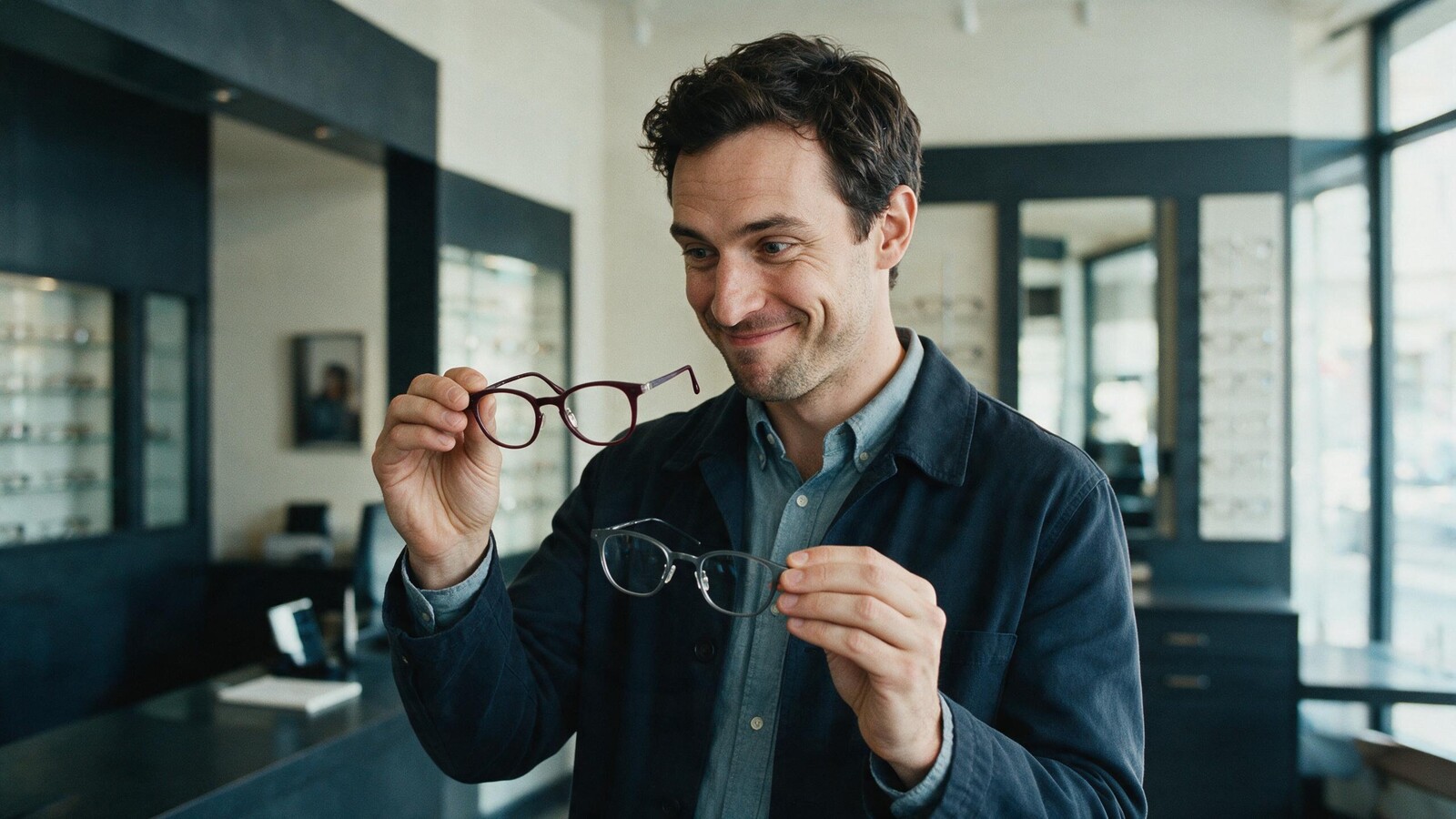
One of the most important insights from neuroscience applied to marketing is this: people don't decide rationally and then get emotional, but they get emotional first and only then seek rational justification.
The emotional brain is faster, more ancient, and more powerful than the rational one. It's the one that decides if we like something, if it reassures us, if it makes us feel comfortable. The rational brain comes into play later, to explain and "defend" that choice.
In the world of optics, this mechanism is amplified. Glasses are not appliances: they sit on the face, influence self-image, and affect how we feel being looked at. That's why a proposal based exclusively on technical data – materials, indices, parameters, treatments – risks arriving when the emotional decision has already been made, often negatively.
What really happens in the customer's mind
When a person tries on glasses in front of the mirror, their brain is evaluating in just a few moments:
- "Do I recognize myself in this image?"
- "Do I feel comfortable?"
- "Do I feel valued or judged?"
- "Does this person helping me make me feel safe?"
Only afterwards, if the emotion is positive, is the customer willing to listen to more technical explanations. If the emotion is negative or neutral, even the best rational argument will struggle to work.
Common mistake in the store
One of the most frequent mistakes is starting with the head instead of the gut. Immediately explaining:
- why that lens is better,
- why it costs more,
- why it's technologically superior,
without first building an emotional connection means talking to a part of the brain that isn't yet "active". The result? The customer listens, nods, but doesn't decide.
Practical guidelines for opticians
1. Always start with the person, not the product
Before talking about solutions, take time to understand:
- how the person experiences their current glasses,
- in which situations they feel most uncomfortable,
- what they would like to improve, including their image.
Open questions, real listening, and silence are extremely powerful neuroscientific tools.
2. Use the mirror as an emotional tool, not just technical
The mirror immediately activates the emotional brain. Accompany the try-on moment with phrases like:
- "How do you feel looking at yourself like this?"
- "Do you recognize yourself in this image?"
- "In what occasions would you see yourself with these glasses?"
You're helping the customer name the emotion they're experiencing.
3. Tell the benefit first, then the technology
Reverse the classic order:
- first: "This solution will allow you to feel more comfortable all day, without fatigue"
- then: "And this is possible thanks to…"
The brain accepts technical explanations better when it's already emotionally convinced.
4. Pay attention to language
Words like comfort, naturalness, security, lightness, freedom speak to the emotional brain.
Numbers, codes, and parameters speak to the rational brain.
Both are important, but not at the same time and not in the same order.
Why this approach sells better
When the customer feels that the proposal is consistent with what they're experiencing, the price becomes more understandable, objections decrease, and the choice becomes more fluid. Not because they were "convinced", but because they feel understood.
Selling from emotion doesn't mean giving up technical professionalism. It means using it at the right time, when the customer's brain is ready to receive it.
In the next article, we'll look at another fundamental aspect: what happens when the brain is overloaded with information and why, often, less choice means more sales.
If this theme concerns a decision for your optical practice or a company project, the first step is a call: we start from your context.
Book a call