Loss aversion: why the fear of making a mistake weighs more than the desire to improve
The human brain perceives a possible loss as emotionally more intense than a potential gain. In the optical practice the customer is not just weighing benefits: above all, they are trying to avoid spending too much, making the wrong choice or regretting it.
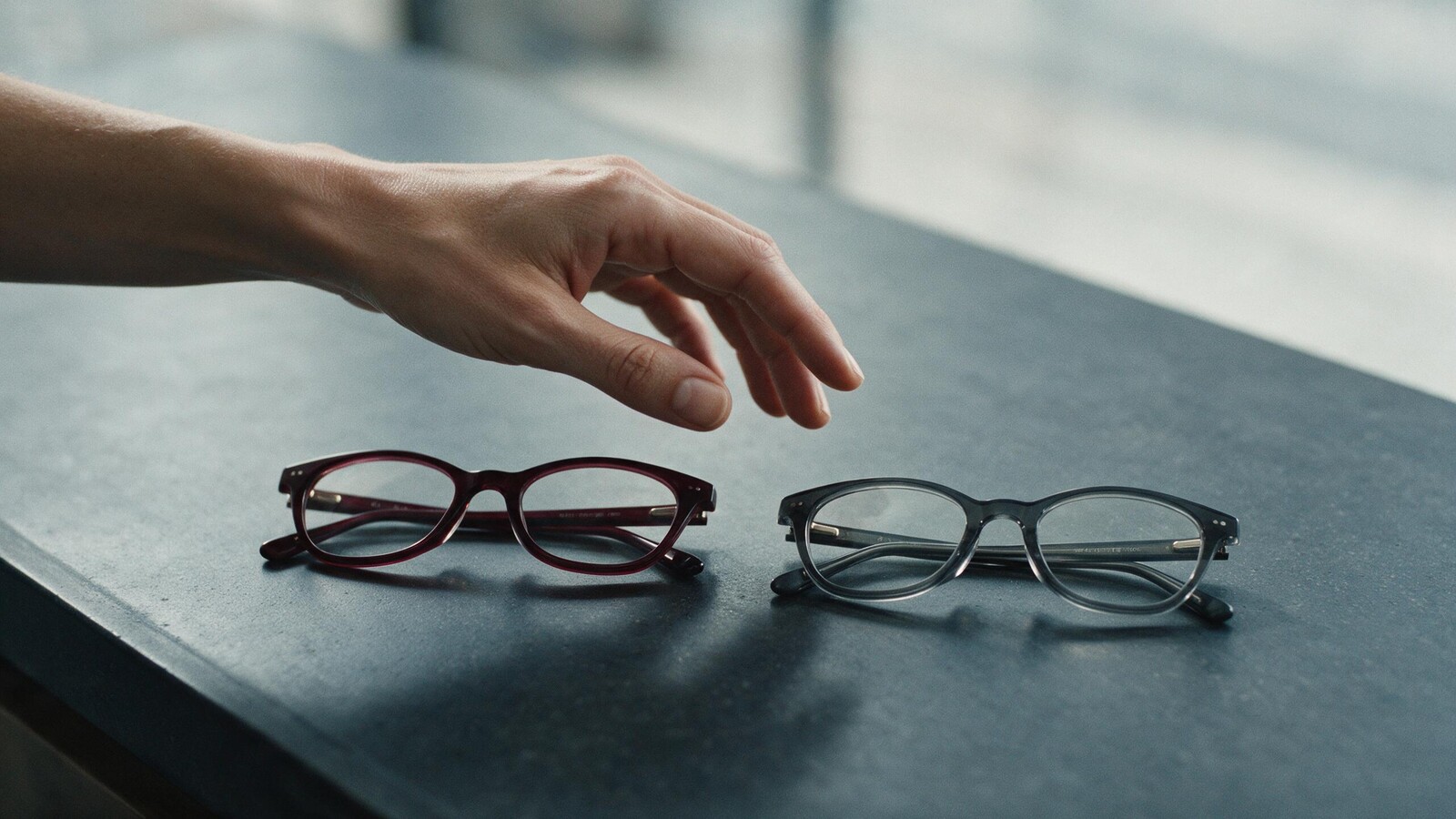
One of the most solid principles to come out of neuroscience and behavioural economics is loss aversion: the human brain perceives a possible loss as emotionally more intense than a potential gain. In simple terms, we fear losing more than we desire to improve.
In the optical practice this mechanism is everywhere. The customer is not just weighing a possible visual benefit: they are trying to avoid spending too much, making the wrong choice, regretting it later, "not making the most" of what they buy. As long as that fear stays active, the brain holds the decision back.
What really happens in the customer’s mind
When we propose an advanced or higher-value solution, the customer’s brain does not only ask "What do I gain?", but above all: "What if it is not the right choice for me?", "What if I spend for nothing?", "What if I do not get on with it?". These questions are not rational; they are defensive. The brain is trying to avoid an emotional and financial loss.
The more a decision is perceived as irreversible or complex, the more loss aversion grows.
The common mistake in the practice
A frequent mistake is to counter this fear by pushing the benefit insistently: more performance, more technology, more advantages. Paradoxically, this can raise anxiety, because the customer feels the responsibility of the choice growing. From a neuroscientific point of view, before talking about improvement you have to reduce the perception of risk. The same applies to price, as I explain in Pricing for the independent optician.
Practical guidance for the optical practice
1. Normalise the doubt
Saying, even implicitly, "It is normal to have doubts about an important choice" immediately reduces the tension. The brain feels understood, not judged.
2. Shift the focus from "losing" to "protecting"
The brain responds better to protection than to gain. Not "With this lens you see much better", but "With this solution you avoid strain and discomfort during the day". You are reassuring, not promising miracles.
3. Accompany, do not force
Show that alternatives exist and that the choice is guided, not imposed. When the customer perceives freedom, the fear of making a mistake decreases.
4. Reduce perceived irreversibility
Clear policies, the possibility of adjustment, follow-up checks tell the brain that this is not "a choice with no way back". This dramatically lowers resistance.
Why managing loss aversion improves the quality of the sale
When the fear of making a mistake decreases, the customer stops defending themselves and starts really evaluating. They are no longer stuck on "not losing", but can open up to "feeling better". Managing loss aversion does not mean diminishing the value of the proposal; it means putting the customer in a condition of emotional safety: that is where the most informed, lasting and satisfying choices are born. It is the same ground as trust.
This article is part of the series Eyewear and neuroscience. In the next one we address a theme tied to identity: why choosing glasses means choosing who we want to be. The complete consultative selling path is in the manual Eyemage; to bring it into the practice with your team there is in-practice training, within the theme of training for opticians.
If this theme concerns a decision for your optical practice or a company project, the first step is a call: we start from your context.
Book a call