The role of context: why how we sell matters as much as what we sell
Neuroscience teaches us that decisions do not happen in a vacuum, but are strongly influenced by context. Environment, light, language, the staff’s attitude: everything helps create an emotional state that steers the customer’s choice.
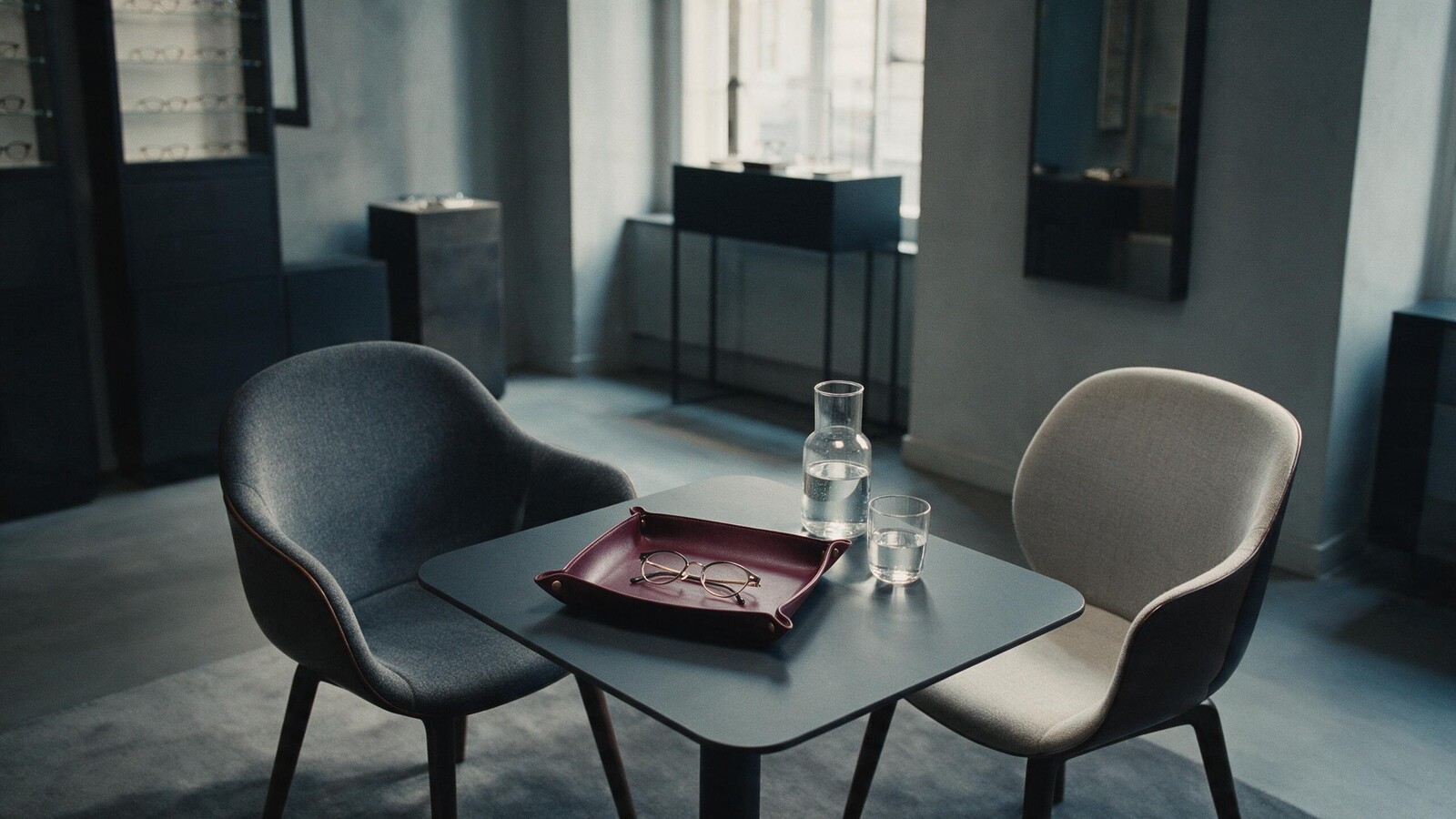
Neuroscience teaches us that decisions do not happen in a vacuum, but are strongly influenced by the context in which they take shape. Environment, light, sounds, order, language, the staff’s attitude: everything helps create an emotional state that steers the choice, often unconsciously.
In the optical practice this is decisive. The customer does not just evaluate a pair of glasses; they live an overall experience. And the brain, before even listening to words or explanations, asks: "Do I feel at ease here?".
What really happens in the customer’s mind
The human brain is constantly busy interpreting environmental signals to understand whether a place is safe or threatening, welcoming or cold, coherent or confusing. This assessment takes a few seconds and conditions everything that follows. If the context conveys calm, order and care, the brain lowers its defences and becomes more receptive. If it perceives disorder, haste or inconsistency, it switches to alert mode, making any decision harder.
The common mistake in the practice
Many opticians invest a lot in product and technology, but underestimate context. They take for granted that the customer "understands" the value, that the environment is neutral, that the staff’s behaviour does not matter that much. From a neuroscientific point of view it is exactly the opposite: context prepares the brain for the choice, for better or worse.
Practical guidance for the optical practice
1. The environment should reduce anxiety, not raise it
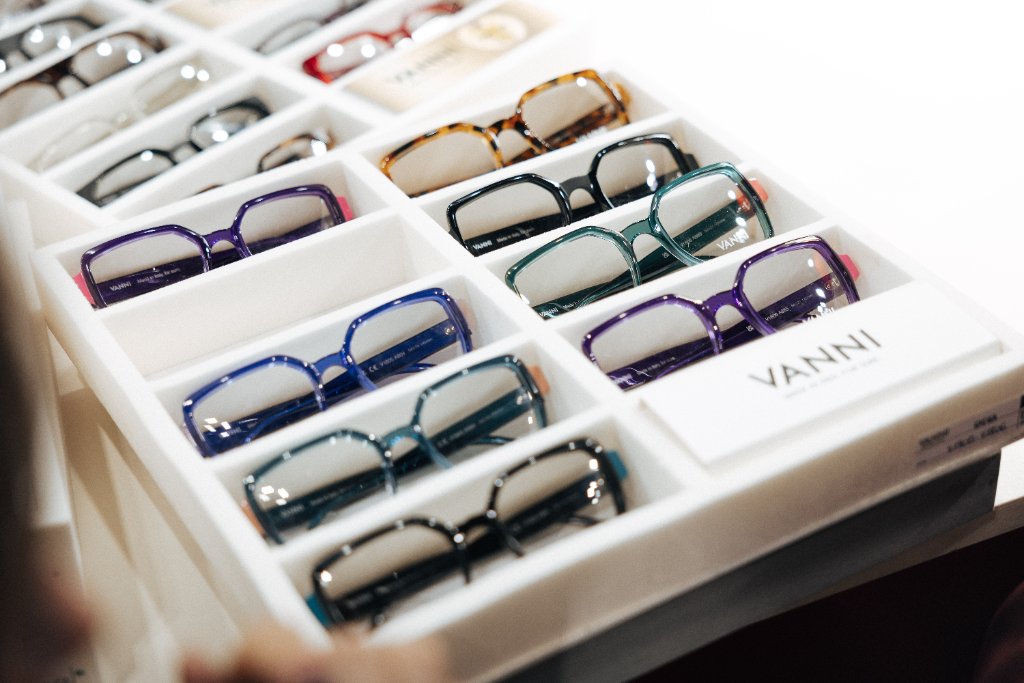
Order, cleanliness, legible and uncluttered spaces help the brain relax. Overfilled windows and interiors communicate confusion. Better fewer products, but highlighted and told: it is the principle of visual merchandising for the optical practice.
2. Light is a decision factor
Light affects how the face is perceived, and therefore self-image. Well-lit mirrors, natural or warm light and no annoying reflections improve the emotional experience of the try-on. If customers do not like themselves in the mirror, they are unlikely to choose.
3. Language sets the climate
Tone of voice, pace, the words used are as much part of the context as the furniture. Reassuring, non-judgemental, unhurried language conveys competence and safety. The brain is very sensitive to the consistency between what is said and how it is said.
4. Behaviour is communication
Posture, eye contact, response times, real attention: the customer reads everything. Even without realising it, they assess whether the person in front of them is present, available, interested. Trust is born from behaviour before content.
Why context influences perceived value
A coherent, well-kept, human environment automatically raises the perceived value of the service and the product. Not because it "embellishes" the glasses, but because it reassures the brain: if everything is in the right place, the choice will be too.
In neuromarketing there are no neutral details. Every element of the context either makes the decision easier or gets in its way.
Designing the customer experience deliberately means creating the ideal conditions for the choice to happen naturally. This article is part of the series Eyewear and neuroscience; in the next one we address trust and consistency, and why the brain is programmed to choose those who make it feel continuity, reliability and authenticity. The in-store experience is one of the areas of the Optical Retail Marketing Wheel we read with Trade Up in Italy and The Charismatic Practice elsewhere, within the theme of marketing for the optical practice.
If this theme concerns a decision for your optical practice or a company project, the first step is a call: we start from your context.
Book a call