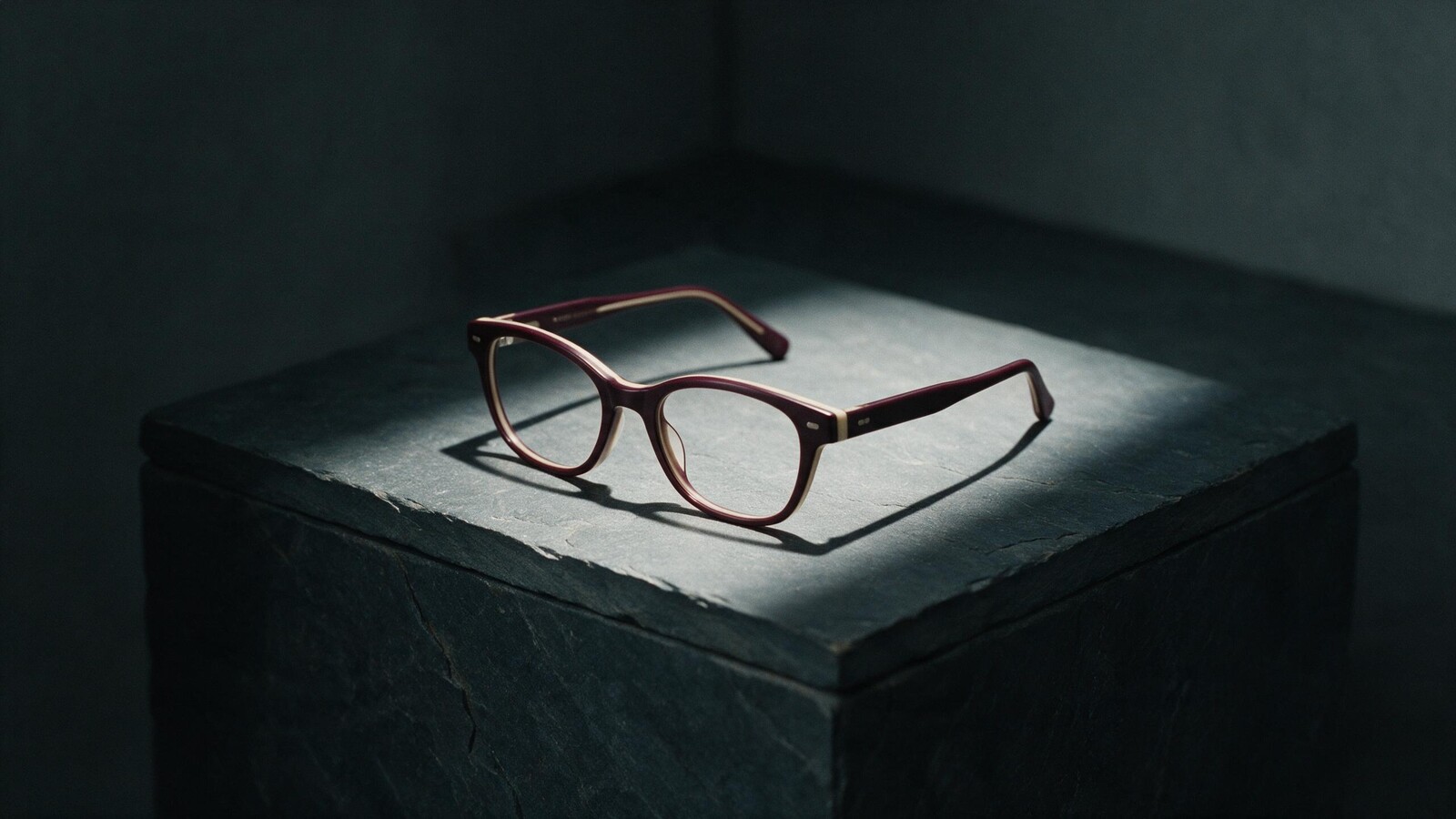
The Product Is Content Too
In a market where a frame has few elements and a basic function, differentiation can't rest on design and materials alone. The product becomes content when it carries a thought and a story.
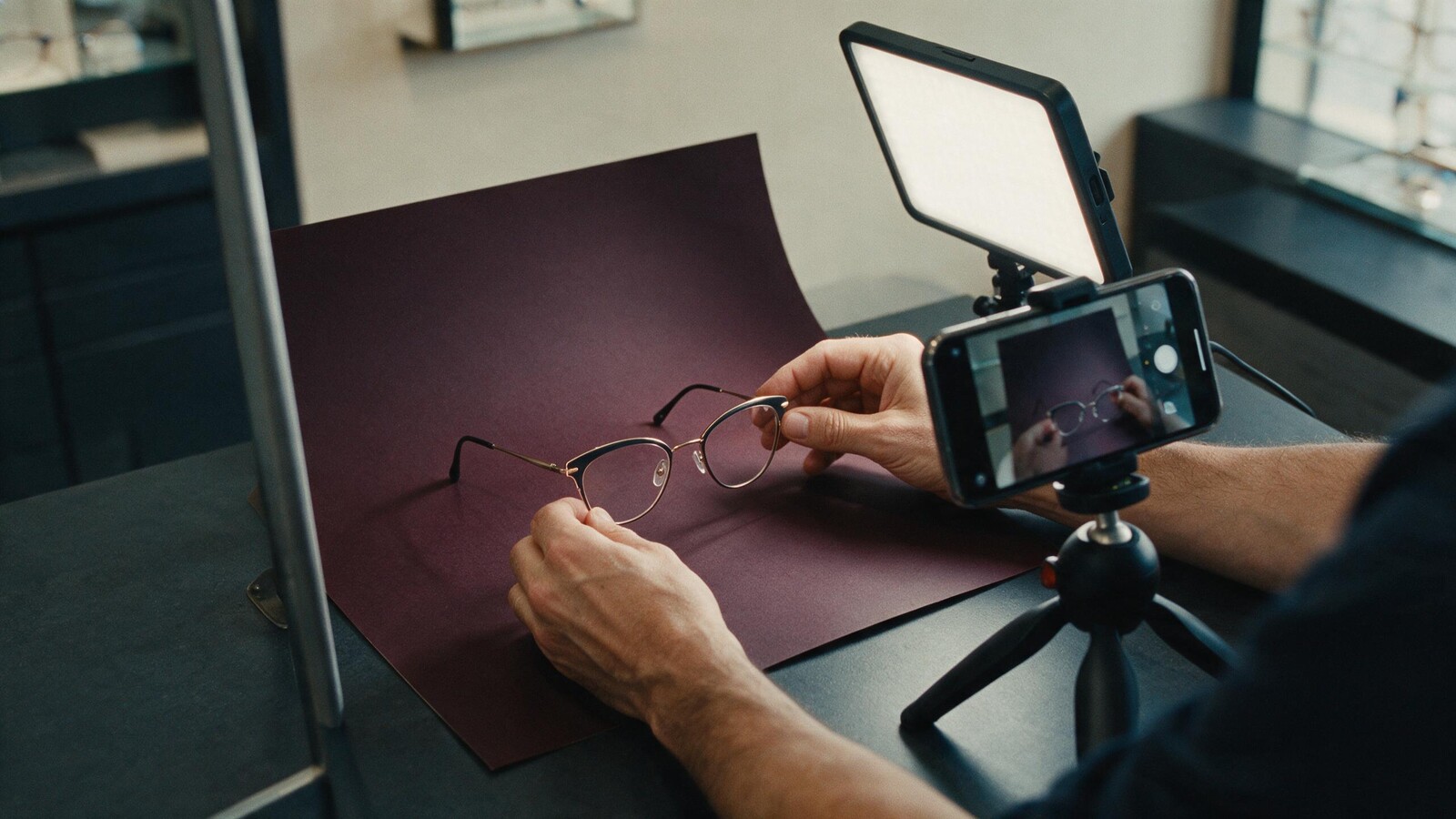
For some years now there's been a lot of talk about content marketing and storytelling — elements that have become essential for building an identity and engaging the people you'd like as customers. But one piece often gets overlooked: the product is content too. Or at least it should be.
In a market like eyewear, where the product is made of few elements and has a basic technical function, real differentiation can't rest on design, materials or build quality alone. The very idea of design loses its meaning if the stylistic choices don't come from a thought, if they aren't the interpretation of an idea, a story, a value. A frame's aesthetic and functional worth should be a starting point, not a destination.
In the 1980s and 90s the designer label was enough: a big name was a cognitive shortcut for evoking a dream life, in a society that had known prosperity for only a few decades. But the symbols have evolved. Today the famous label risks becoming banal — and heavily counterfeited — while what engages is a more intimate, more exclusive story.
Take an example. A frame can carry the name of Elena Luzzatto, the first woman to graduate in architecture in Italy, who had the courage to sign monumental works and not just interiors, as the culture of the time — and perhaps of today too — would have preferred. How much would we have to tell, offering a frame like that to a professional fighting to realise her own ambitions? It wouldn't just be an aesthetic statement: it would be a symbol of the values that drive her life.
Selling this way takes study, application and training. But it's a wonderful way to be an optician.
If this theme concerns a decision for your optical practice or a company project, the first step is a call: we start from your context.
Book a call