
Digital marketing for opticians
Digital marketing for an optical practice is the use of social media, website, email, CRM, automation and artificial intelligence to give continuity to customer relationships and make services visible: tools that become useful when they follow the strategy and when the team knows how to integrate them into its work.
Before the channel comes the voice. Social media are one of the places where the customer meets the optical practice: deciding what to communicate matters more than how much to publish. The same applies to CRM: customer information becomes useful when it helps to understand whom to contact, with what content and at what moment.
Artificial intelligence is a skill applied to defined tasks, not a new category of business. The choice of tools follows the understanding of the work.
Tools after priorities
Data, CRM, social media, automation and AI enter the Optical Retail Marketing Wheel as support for the other areas: communication, customer relationships, organisation. In our work with optical practices we define starting conditions, content, frequency and the people involved, and choose the tools afterwards.
Where to start
From the magazine, on digital
All content on this theme →

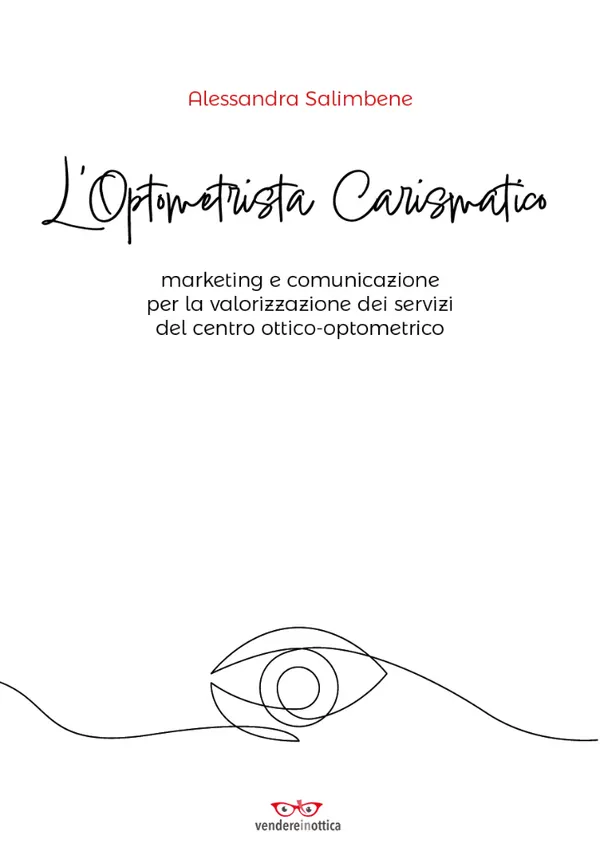
The Charismatic Optometrist
Communication, engagement and continuity of the relationship: the “Marketing” part of the handbook on professional services.
Those where its customers are and that the team can sustain. Before choosing the channel you need audiences, messages and a realistic calendar: an editorial plan starts from positioning.
It needs to give continuity to the relationship with those who have already chosen it: recalls, post-purchase journeys, communication about services. The first step is to understand what the existing practice management system allows; the CRM is assessed on the project.
In defined tasks: preparing content, organising customer information, supporting agreed processes. AI follows the priorities of the business and the people who take responsibility for the decisions.
It depends on the content, the audience and the relationship cycle. Every message must have a purpose that is recognisable to the recipient: frequency is defined in the plan.
No. Automation supports the relationship, it does not create it. What brings customers is a clear positioning, a consistent experience and continuity of service.
It prepares and extends it. Content clarifies the differences between solutions before the visit; CRM gives continuity afterwards. The centre of the relationship remains the consultation in the practice.

Alessandra Salimbene is a consultant, trainer and author for optical retail. She helps independent optical practices, groups and companies in the sector with strategy, marketing, branding, digital marketing and training, using the Charismatic Method and the Optical Retail Marketing Wheel. She founded Optics & Love and wrote Il Centro Ottico Carismatico, L’Optometrista Carismatico and Eyemage. Alessandra’s page →