
Strategy for the optical practice
The strategy of an optical practice is the set of connected choices about whom to serve, which services and products to offer, at what prices and with what kind of relationship: it is what makes the business recognisable and what decides, before any communication, how much margin is left.
An independent optical practice does not compete on price. It competes on the clarity of who it is: the value proposition, the range, the professional services, the way of selling and communicating either work in the same direction or cancel each other out.
When sales grow but margin stays flat, when you communicate a lot without a clear positioning, when the team works hard without shared criteria, the problem is usually not tactical. It is strategic.
The optical practice as a set of connected decisions
Price also depends on how the proposition is built. Communication has to be matched by the experience in the practice. Digital tools become useful when people know how to integrate them into their work. That is why strategy is read with a map, the Optical Retail Marketing Wheel, and translated into action with the Charismatic Method.
Where to start
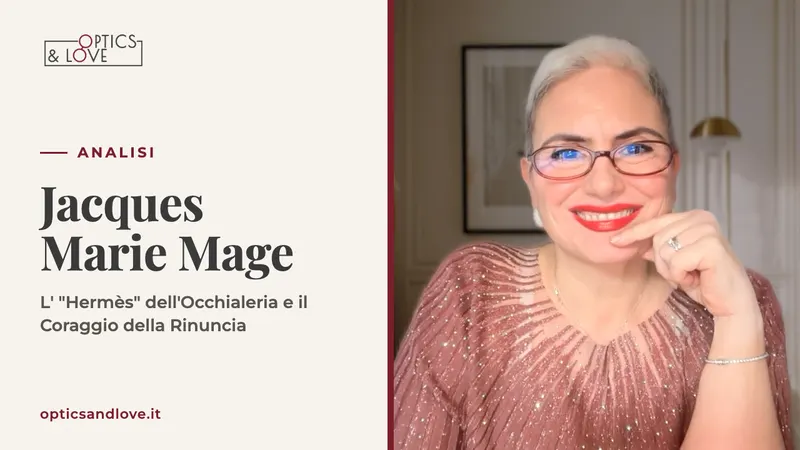
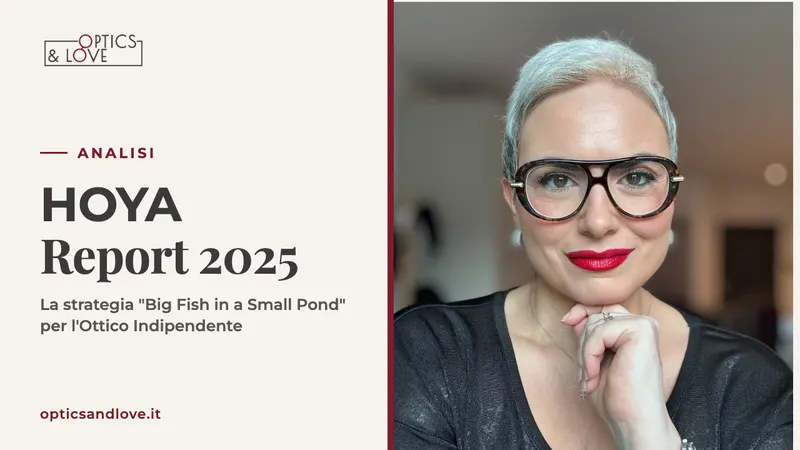
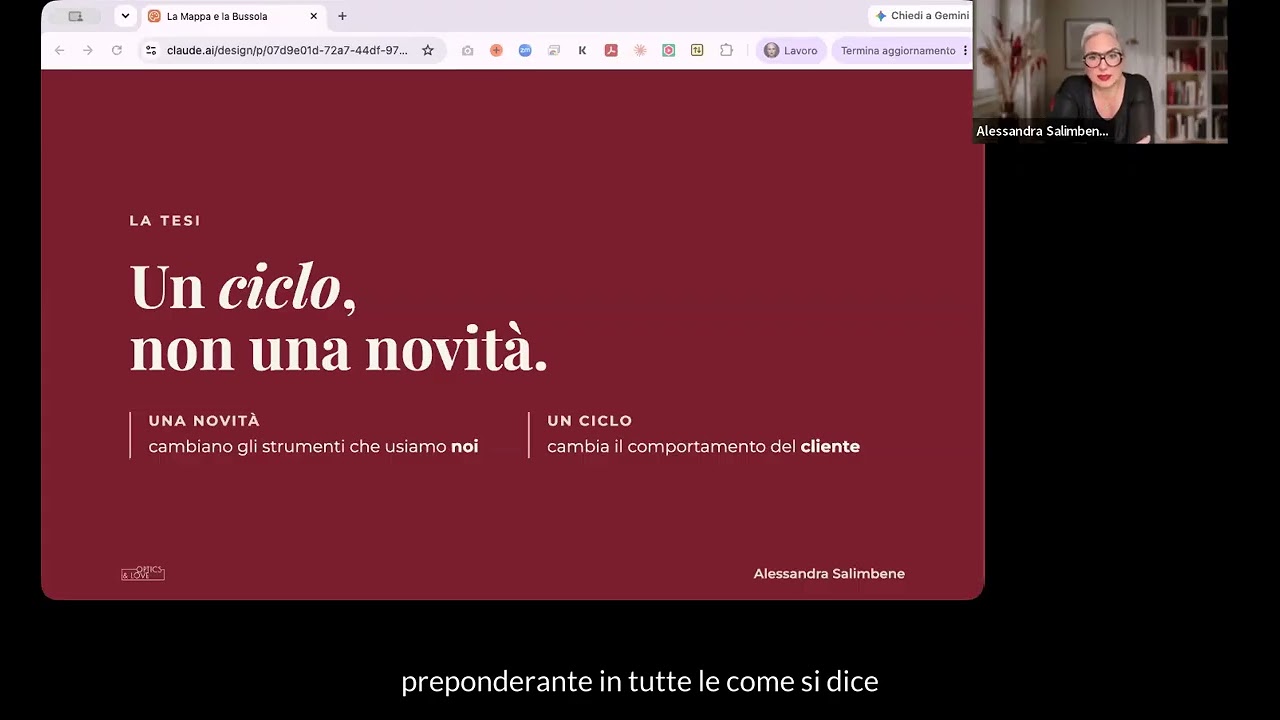
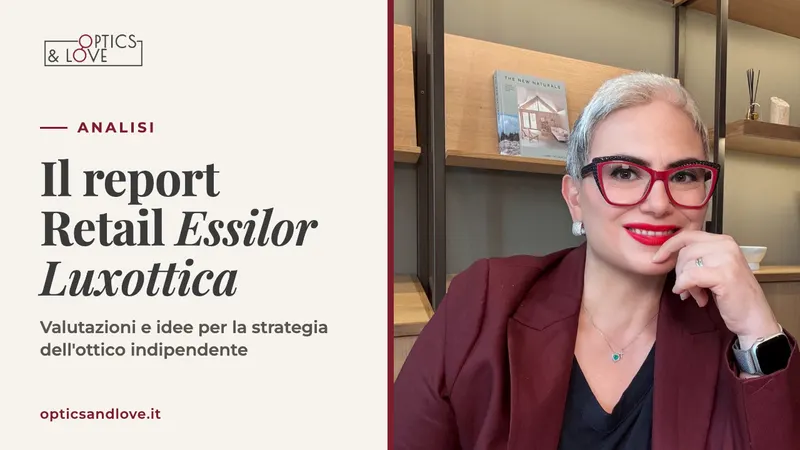
From the magazine, on strategy
All content on this theme →

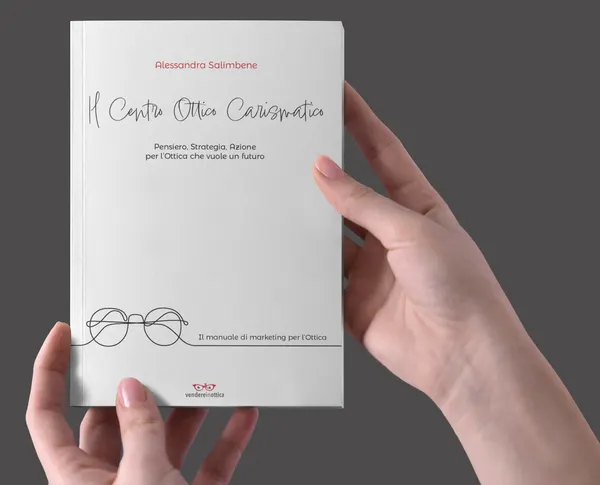
The Charismatic Optical Center
Thinking, strategy and action for the independent optician: the handbook that connects professional identity, business model and operating plan with the Optical Retail Marketing Wheel.
It means deciding whom you address, with which services and products and at what price level, so that the customer understands within the first few minutes who you are and why to choose you. It is not a slogan: it is a series of consistent choices about range, services, prices and communication.
By first understanding where it is lost: uncontrolled discounts, stock that does not move, sales that never reach the complete solution. Then by working on value proposition, range, sales process and prices. Trade Up exists precisely to measure this on your practice’s figures.
From the available data and an orderly reading of the situation, with the Optical Retail Marketing Wheel as the map. A check-up such as Trade Up sets out the priorities; the strategy takes shape from there.
It originates with the owner, but it works when the team applies it with the same criteria in the proposal to the customer. That is why strategy and training go together.
It depends on the starting situation, the decisions taken and how they are applied. Some changes, such as those concerning stock, only become readable after months: that is why the Trade Up plan looks at the following twelve months.
Yes. For businesses with several locations the work is defined on the right scope; for groups, chains and companies a dedicated project is built.
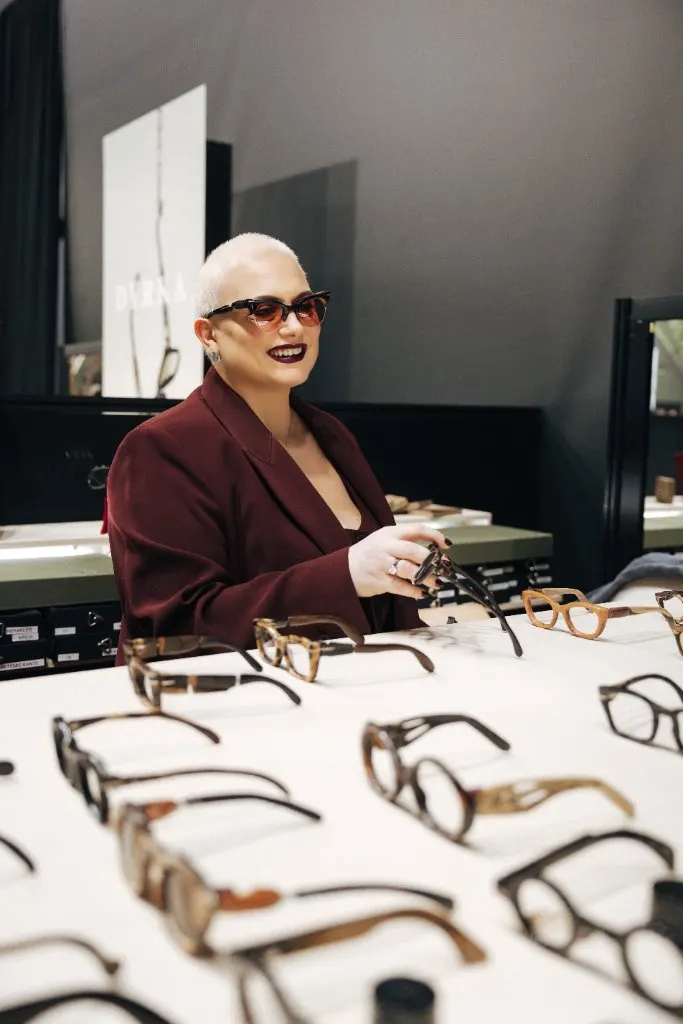
Alessandra Salimbene is a consultant, trainer and author for optical retail. She helps independent optical practices, groups and companies in the sector with strategy, marketing, branding, digital marketing and training, using the Charismatic Method and the Optical Retail Marketing Wheel. She founded Optics & Love and wrote Il Centro Ottico Carismatico, L’Optometrista Carismatico and Eyemage. Alessandra’s page →